Ripplefold
A repeating wave creates a clean, contemporary appearance. Fullness and carrier spacing affect the wave, finished coverage, and stackback.

Custom wholesale drapery with ripplefold or pinch-pleat styling, coordinated tracks, and manual or motorized operation. Specify the fabric treatment and hardware as one system.
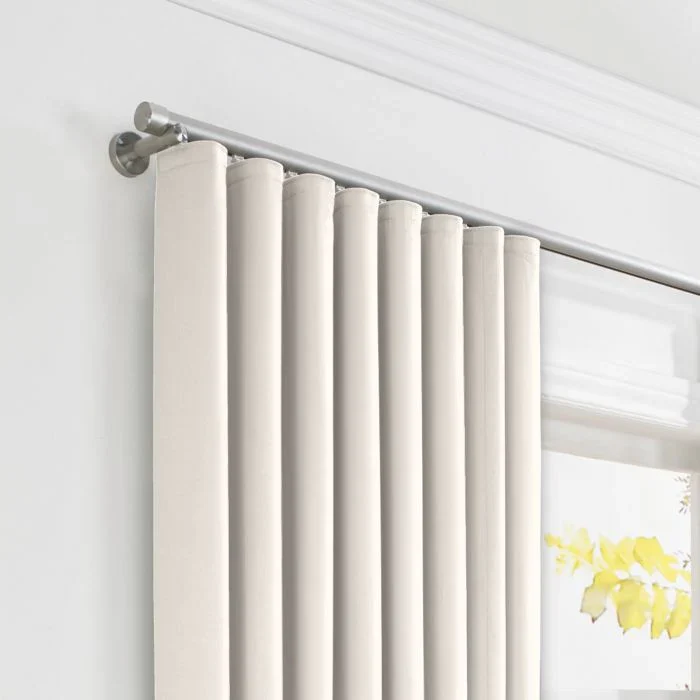
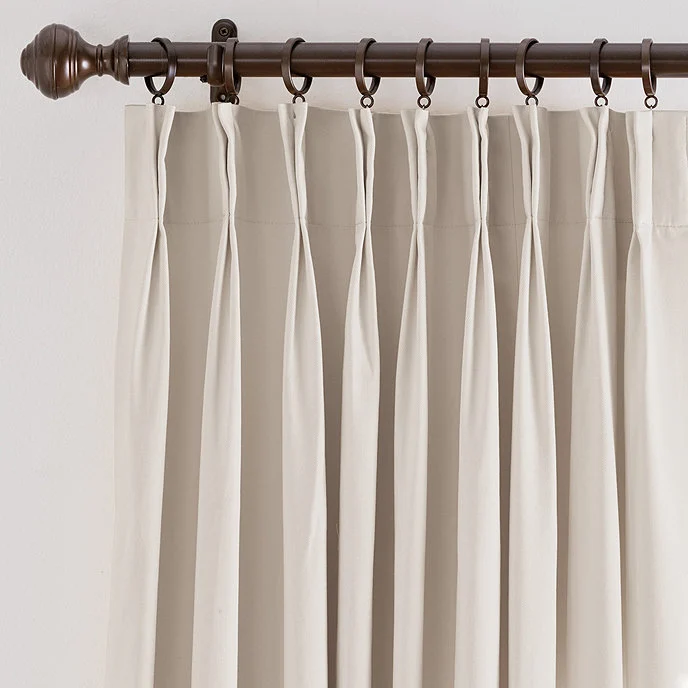
A repeating wave creates a clean, contemporary appearance. Fullness and carrier spacing affect the wave, finished coverage, and stackback.
A gathered heading creates defined pleats. Confirm the pleat construction, fullness, suspension hardware, and fabric appearance.
Specify a sheer treatment for softened daylight, or plan a layered arrangement with a separate lined drapery. Dual tracks need additional mounting space.
Choose the track location, opening direction, and stack position early. A center-opening pair, one-way draw, or layered arrangement changes how the window is used and how much space is needed for the fabric.
For a recessed finish, coordinate Uprise’s Blindspace track planning with the ceiling design before construction closes. Confirm recess dimensions, fixing surfaces, access, and serviceability against the actual track and motor.
Provide elevations showing returns, finished floor level, ceiling conditions, and adjacent furniture. Check the full fabric travel path, including the stack at each end.
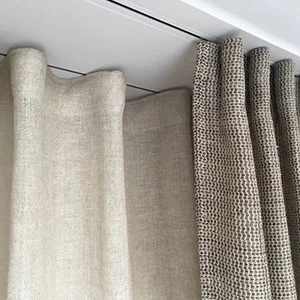
Uprise lists battery, low-voltage, and 110 V motorized drapery options. The appropriate choice depends on track configuration, fabric weight, power access, and service requirements.
Automate’s drapery range includes Versa and C1.2 systems. Compatible systems can support a gentle hand-pull trigger and soft stopping. Confirm which functions apply to the supplied motor rather than assuming every track has the same features.
Compare control and power choices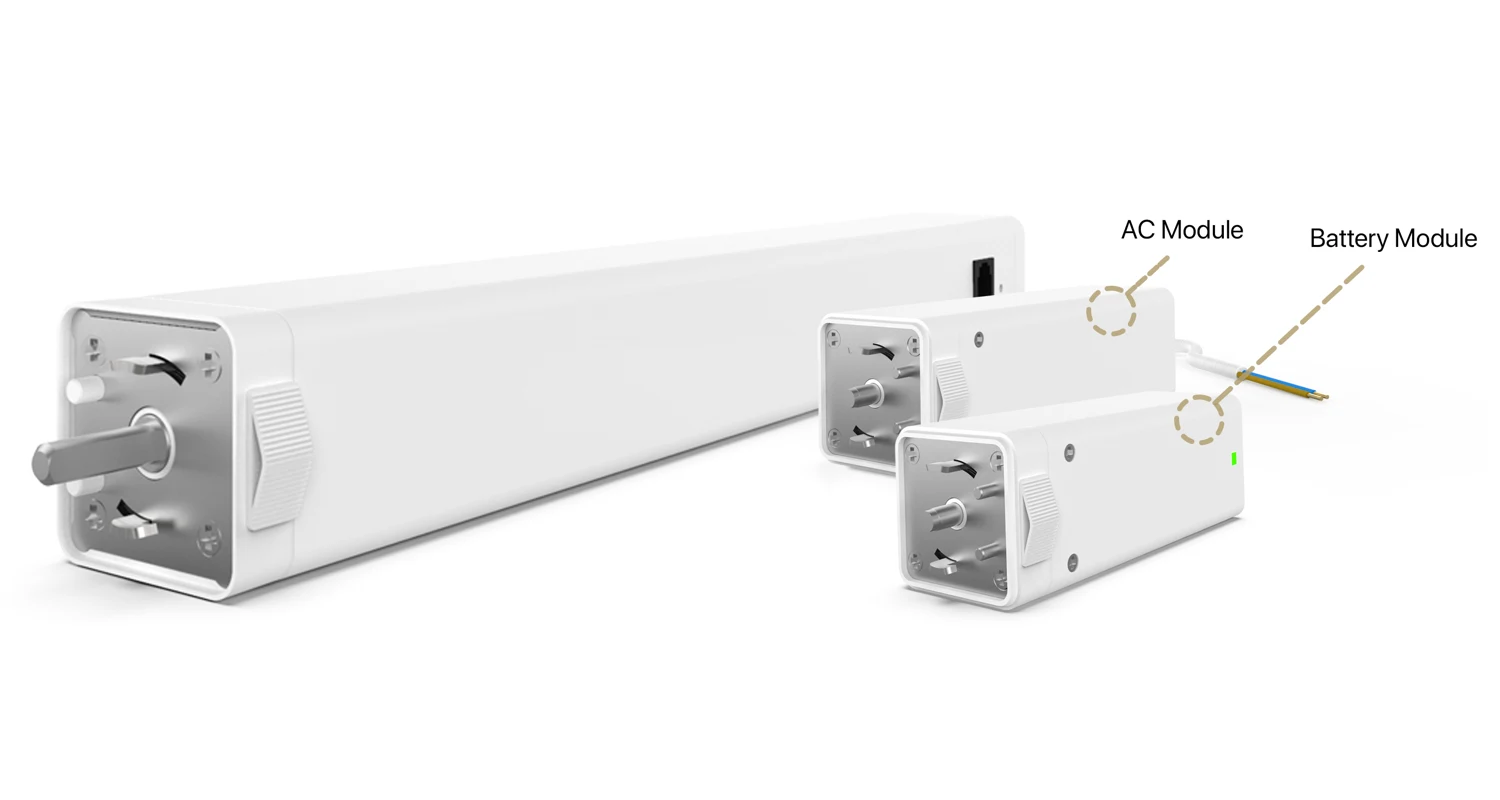
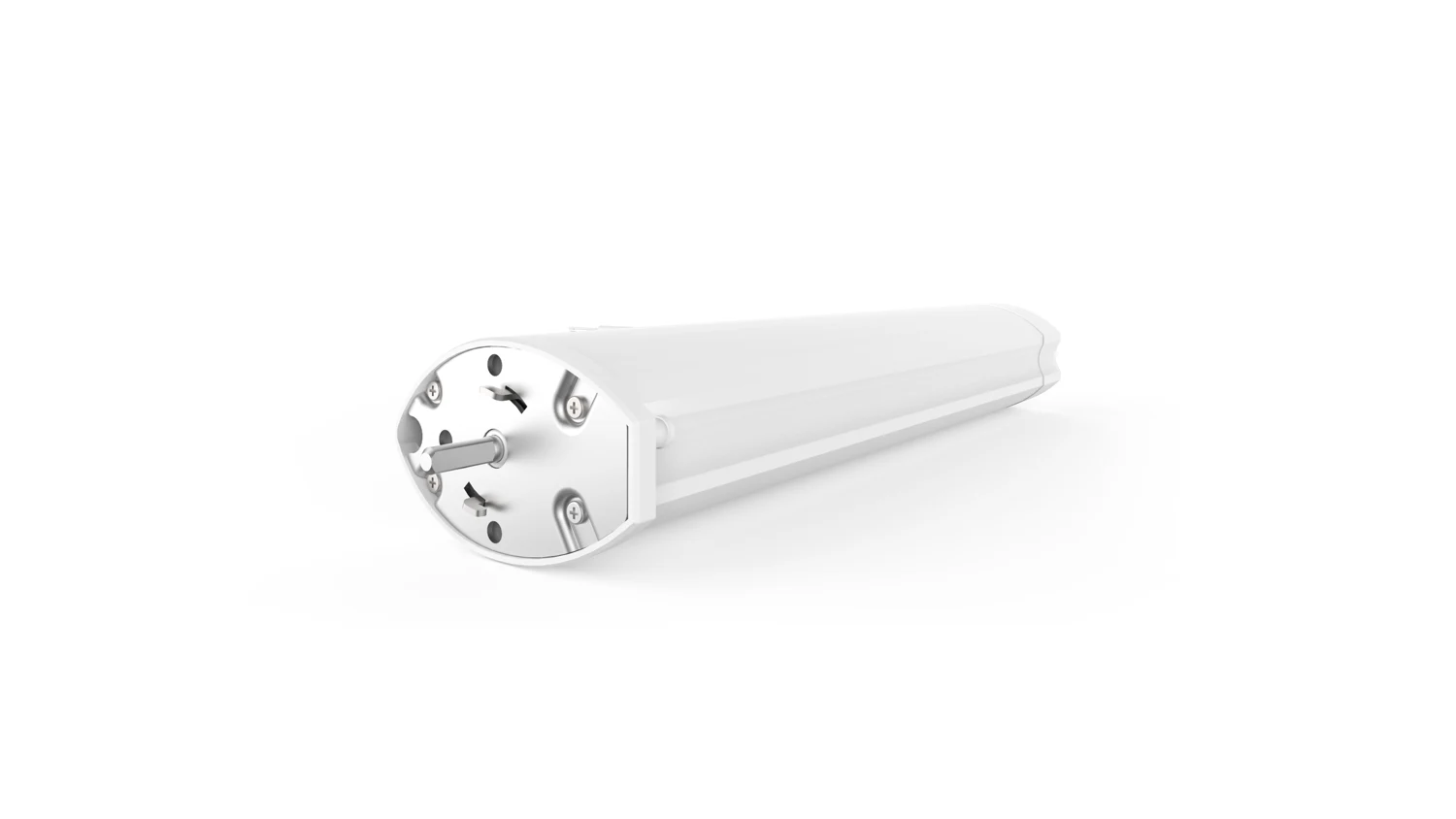
Product imagery: Automate
Supply fabric and color references, ripplefold or pinch-pleat preference, lining, fullness, finished length, and pattern-matching requirements.
Provide track length, mounting position, one-way or center draw, desired stack locations, returns, and single or dual-track requirements.
Include fixing surfaces, ceiling recess details, access constraints, and clearance around the fabric. Review the installation sequence for recessed systems.
Identify power availability, motor position, remote or wall-control preferences, and any smart-home system. Have Uprise confirm track capacity and motor compatibility.
Uprise’s drapery range includes both styles. Confirm the heading, fabric, lining, fullness, and hardware for the intended project.
A layered treatment can use separate tracks. Coordinate track spacing, mounting depth, and the independent travel and stack of each layer.
Uprise works with Blindspace recessed-track planning. The recess needs coordination with the exact track, fixing method, and ceiling construction.
Some Automate drapery systems support a hand-pull trigger. Confirm that feature for the actual supplied motor and use its operating guidance.
Share the application, dimensions, product choices, and control requirements so Uprise can review the configuration.